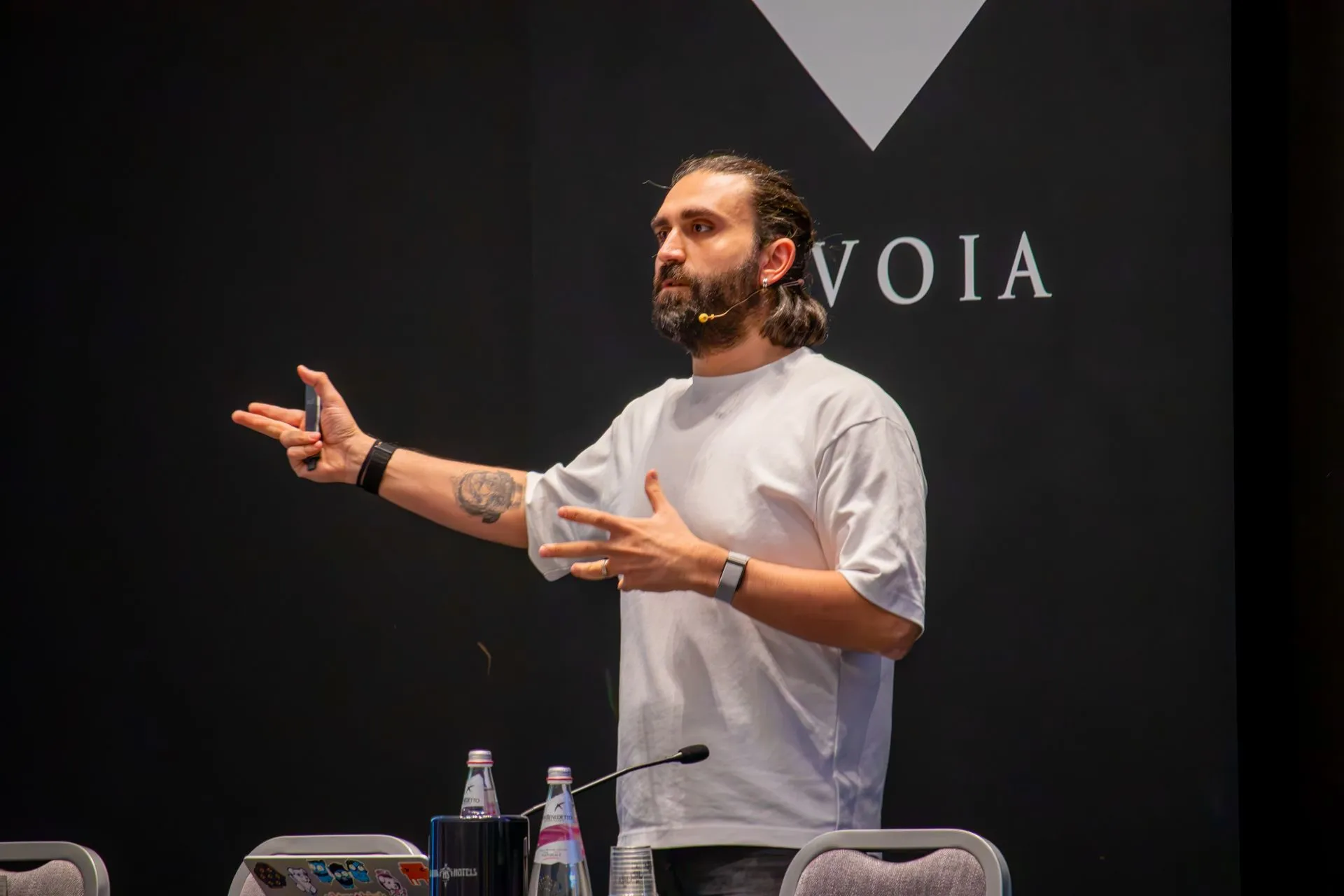
Kemal Akkoyun on stage at GoLab 2026, presenting the zero-touch instrumentation talk
Talks · · 2 min

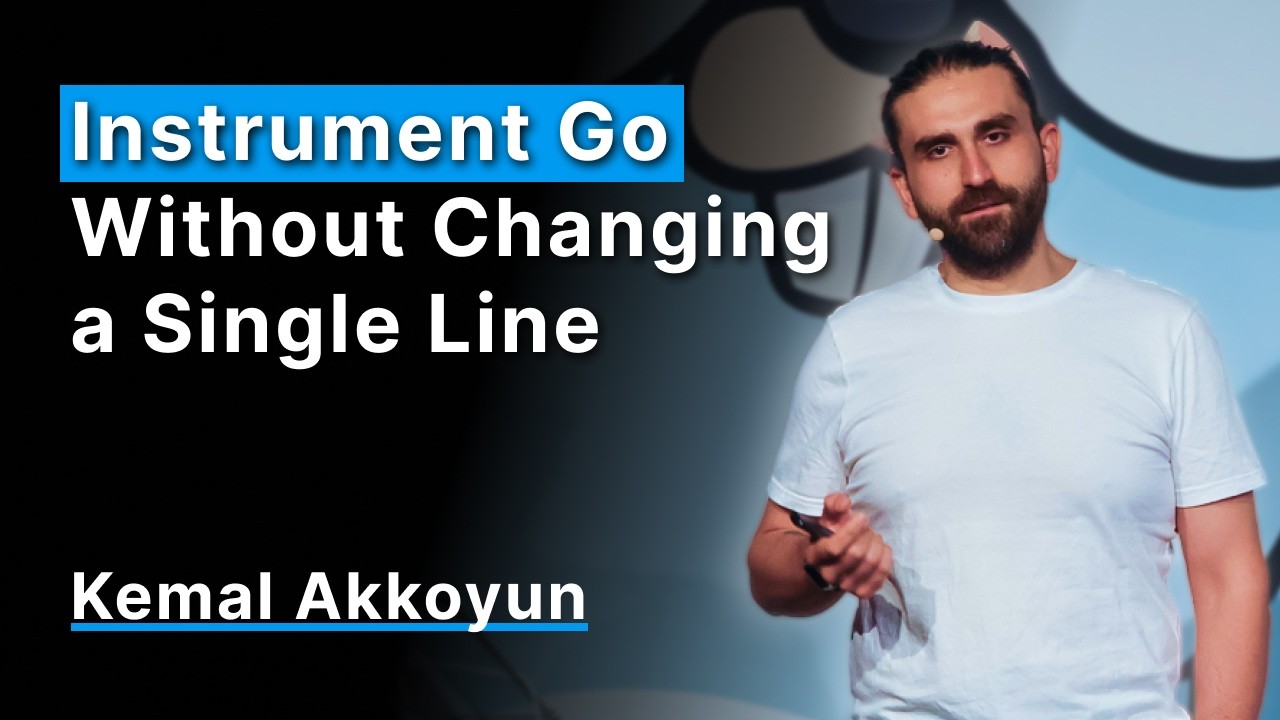
talk: How to Instrument Go Without Changing a Single Line of Code

A production bug, a service you cannot touch, and a debugging loop measured in deploys. This talk follows one Go process through its lifecycle and finds an instrumentation point at each station: at build time, at process start, and in the kernel. At build time, otelc rewrites the code during compilation, so the binary ships already instrumented. At process start, the OpenTelemetry injector loads an agent into the process without a rebuild. In the kernel, OBI attaches eBPF probes to a static Go binary and collects traces and metrics from outside the process. Along the way we pick up CPU profiles, see where request correlation across goroutines and connections breaks down, and when the baseline still cannot answer the question, a live debugging probe captures the missing logs and variables within explicit limits. ...
November 2, 2026 · 2 min · 329 words · Kemal Akkoyun
Deep-Dive · · 26 min

Hooking into the Go Toolchain

Note This post was originally published on Internals for Interns on 2026-10-05, as a guest post in Jesús Espino’s series on Go internals. This is a mirror on my personal blog. If you want to share it, please link the original post. Today we’re going to take a look at the Go toolchain, and more specifically at how we can take part in the compilation process with our own code. We won’t patch the compiler. We’ll stand right next to it while it works, watch what it does, and every now and then hand it something it didn’t ask for. Think of it as photobombing the compiler, politely. 📸 ...

October 1, 2026 · 26 min · 5479 words · Kemal Akkoyun
Instrument Go Without Changing a Single Line
Talks · · 2 min

talk: Instrument Go Without Changing a Single Line

The debugging loop is slow. You cannot reproduce the bug locally, so you add a log line and redeploy. Wrong place. You do it again. An agent alone does not fix this: it still has to pick a mechanism, and it has to know what that mechanism costs. This talk is about three approaches that take the source edit out of that loop. Each acts at a different point in the software lifecycle, and each inherits the strengths and constraints of its intervention point. ...

August 13, 2026 · 2 min · 323 words · Kemal Akkoyun
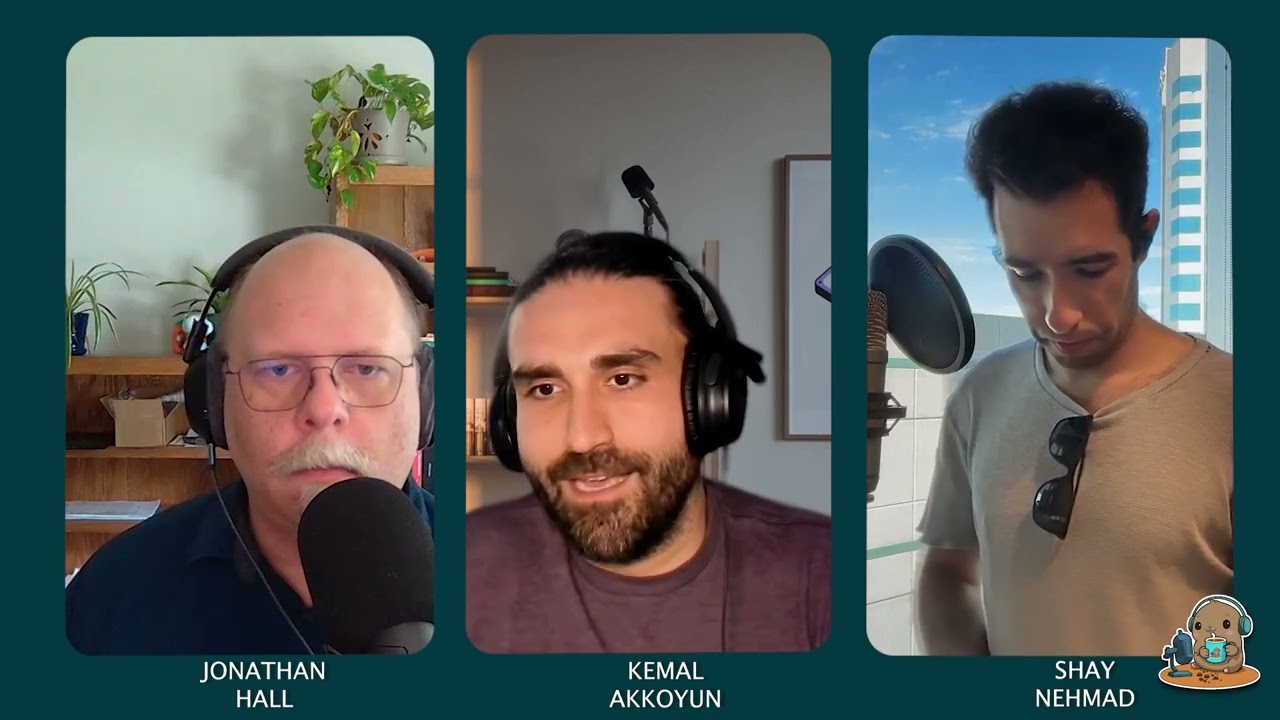
Jonathan Hall, Kemal Akkoyun and Shay Nehmad recording an episode of Cup o' Go
Talks · · 2 min

podcast: Cup o' Go — Instrumentation and Blast Radius

Jonathan Hall and Shay Nehmad had me on Cup o’ Go for episode 167, straight after their GopherCon US recap. We spent about forty minutes on instrumentation: what an APM tool is actually measuring, and the three ways you can get telemetry out of a Go program without asking every team to rewrite their handlers. The part I enjoyed arguing about most was blast radius. Manual instrumentation is precise and tedious, and it never finishes. eBPF buys you one agent covering every language on the box, at the cost of running code in the kernel, where a bad program can take the whole host down with it. Compile-time instrumentation rewrites the syntax tree behind go build through the -toolexec hook, which keeps failures scoped to one service and works anywhere Go compiles. People love this dark magic, which I find either reassuring or alarming depending on the day. ...

August 11, 2026 · 2 min · 336 words · Kemal Akkoyun
Engineering · · 7 min

OpenTelemetry Go Compile-time Instrumentation v1

Note This post was originally published on the OpenTelemetry blog on 2026-07-16. I wrote it for the OpenTelemetry community; this is a mirror on my personal blog with some added commentary. Why this milestone matters to me I have been involved with the Go Compile-Time Instrumentation SIG since it kicked off at the start of 2025, when Alibaba and Datadog decided to pool their efforts into a single vendor-neutral project. Watching it reach v1 last week felt genuinely satisfying — not because “v1” is a magic number, but because it marks the point where we stopped calling it experimental and started calling it something people should actually run in their builds. ...

July 22, 2026 · 7 min · 1434 words · Kemal Akkoyun